For millions of Americans, high blood pressure stays high even with daily medicine. A minimally invasive procedure that calms overactive nerves near the kidneys may offer another way to bring it down.
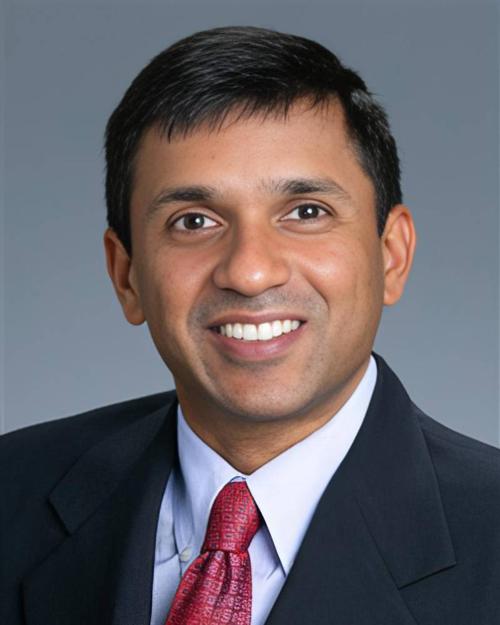
Dr. Pradyumna E. Tummala, an interventional cardiologist with Northside Hospital Heart Institute, presented "Resistant Hypertension in 2026: When to Consider Renal Denervation" at Northside Hospital Heart Institute's Cardiovascular Update in the Primary Care Setting in August.
Only about 1 in 4 U.S. adults who need medicine for high blood pressure have it under control, according to data presented during the session. That gap matters because lowering that number by just 10 points can cut stroke risk by about 27%.
Staying on treatment can be hard, and many people stop taking their medicines within a year, Dr. Tummala noted. For some, blood pressure stays high even on three or more medicines, a condition called resistant hypertension.
Before considering the procedure, doctors first confirm high readings with home blood pressure checks and make sure medicines are being taken as prescribed. They also look for hidden causes, such as sleep apnea or a hormone condition called primary hyperaldosteronism. Next, they adjust medicines, which may include adding another type. Renal denervation is then an option for select patients, provided that their kidneys still work well enough.
Renal denervation targets overactive nerves that connect the kidneys and the brain. When these nerves are too active, they can raise blood pressure. A doctor guides a thin tube called a catheter through a blood vessel to the arteries leading to the kidneys. Energy delivered through the catheter quiets the nerves in the artery wall.
The outpatient procedure takes about an hour under light sedation and leaves no implant behind. Because it doesn't require a daily pill, the treatment works around the clock, Dr. Tummala emphasized. The U.S. Food and Drug Administration approved two systems for the procedure in November 2023, and Northside Hospital Heart Institute offers it.
In one study of people who kept taking their blood pressure medicines after undergoing a kidney nerve procedure, the top number fell about 17 points after two years. It fell about 9 points in people who had a sham, or placebo, procedure. Those treated also needed slightly fewer medicines.
Large research reviews found that kidney function stayed stable after the procedure and that repeat procedures on the kidney arteries were rare.
National guidelines released in 2025 say the procedure may be a reasonable add-on to medicine and healthy habits for some people with resistant hypertension. Each patient should first be evaluated by a team with expertise in the condition, which can include primary care, heart, kidney and hormone specialists. Patients and doctors should weigh the benefits and risks together.
Dr. Tummala also highlighted the role of healthy habits. Regular exercise, a diet rich in fruits, vegetables and grains, weight loss and less salt can each lower blood pressure by several points.
Researchers are also looking at whether renal denervation could help people with heart failure, irregular heart rhythms or sleep apnea. For people with hard-to-control blood pressure, it may offer another option to discuss with their doctor.
LEARN MORE FROM NORTHSIDE HOSPITAL HEART INSTITUTE.